
Home Organizing Checklist for New Homeowners
The excitement of moving into a new home can quickly turn to frustration without a plan. New homes mean fresh starts and a new chapter to create a space that works best for you, but the arrival of your moving boxes can disrupt your daily routine. New homes can mean new stress, and a well-thought-out organizing checklist can make the difference in your new home experience.
Instead of unpacking your new items randomly or reacting to clutter as you see it, a checklist helps you stay organized from day one. Your goal, however, shouldn't be to create a magazine-worthy space; it should be to create a home that is functional and is easy to maintain, regardless of the clutter you may still be adjusting to.
At
The Model Home, organization is approached as a practical process, not a quick fix. This guide is designed to be useful enough to save, bookmark, and return to as you settle into your new space.
Start With The Right Mindset Before Unpacking
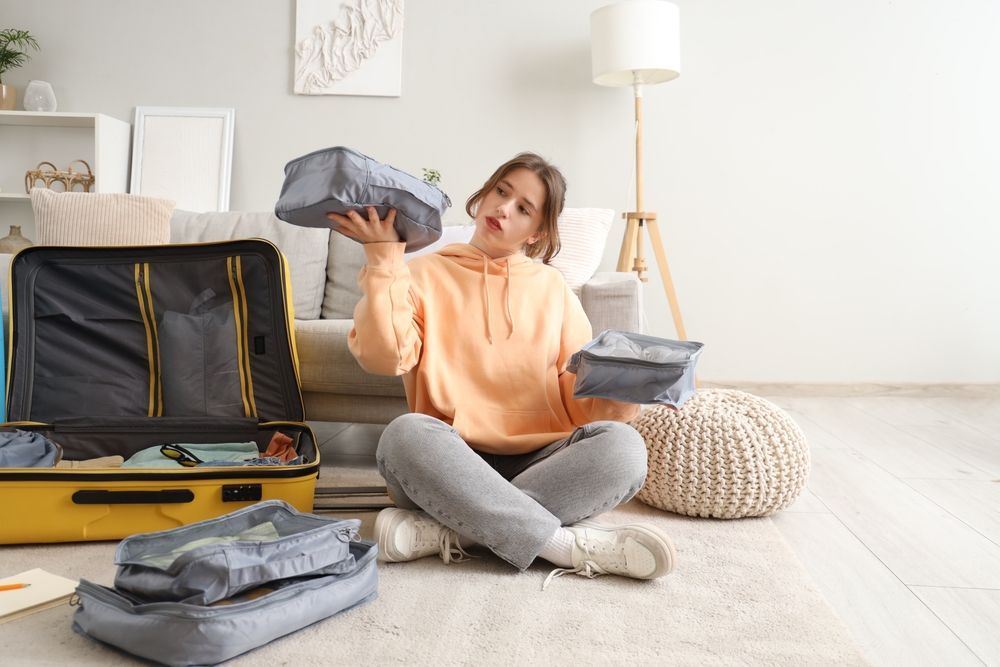
It may be tempting, but before ripping open boxes, take a moment to think. Though it may be easy to pack items into boxes, it is more productive to think about where to put items first. In the big picture, planning where your items will go will save you time.
Useorganizing hacks to declutter your space. Try to imagine what each room will be used for, and how the implementations of each room will flow together. Are some areas more cramped than others? Trying to picture how everything will work together helps you save time later when you start rearranging due to your initial organization not working.
At this point, it is still helpful to get the cleaning done for any empty rooms. It's best to wipe down any pots, cabinets, or closets before everything is unpacked.
Prioritize Daily Use Spaces First
When moving into a new place, the temptation is to start putting everything away at once. Realistically, this will only result in burnout. Hence, while unpacking after your move, the focus should be more on organizing the places you will use on a daily basis.
Start with the rooms where you will spend more time at night, use in the morning, or interact with during meal times: the bedrooms, bathrooms, and the kitchens. These rooms will keep you from being on edge to unpack the other rooms in the house, and give you a focus on the others.
This method lets you get the most important areas of your home functional first, and then you can take your time on the other rooms as you see fit.
Organizing a Kitchen With Purpose
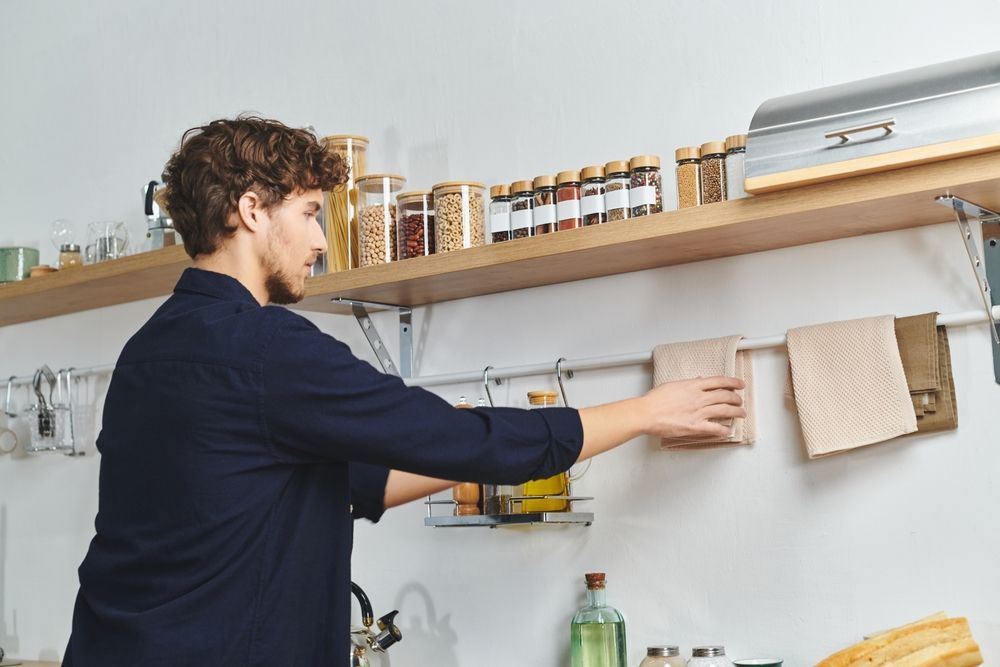
When moving into a new home, the organization of the kitchen acts as the main guide for the organization of the rest of the house. Rather than unpacking based on the position of the cabinets, focus on the functionality of the grouped items.
Dishes and utensils that you use every day ought to be stored within easy grasp. Appliances that are used infrequently, as well as specialty items, should be stored in cabinets that are higher up and less accessible. Keeping countertops empty will make the kitchen less visually cluttered and improve the workspace.
Planning Your Closet for Actual Use
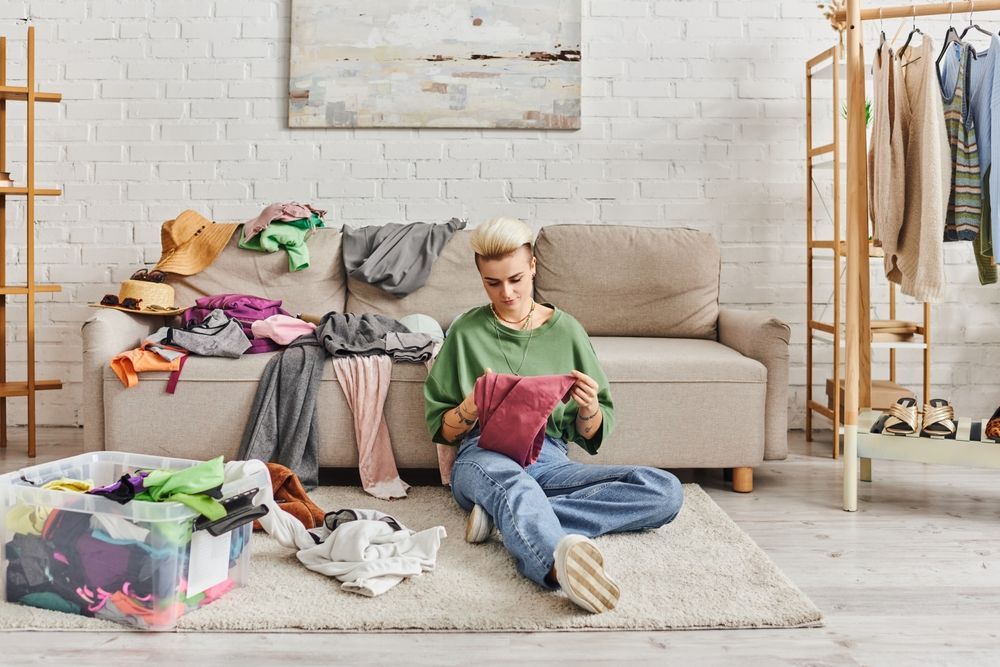
When it comes to the closet organization ideas, people tend to do a half-hearted job of unpacking it and quickly move on, but it is actually an important piece of the daily organization puzzle. Instead of loading it up right away, take a moment to think about what should remain.
Limit unpacking to clothes and accessories that represent your lifestyle right now, and not what you have had in the past. Leaving unfilled space will help the closet not be physically overwhelming, as well as give a visual cue that order is being maintained. This will help you see when a little chaos starts creeping back in.
Closets should be organized in a way that they are a helpful piece of the main organizing scheme.
Establish Drop Zones Early
Establishing drop zones is a great way to stay organized when moving into a new home for the first time. A drop zone acts as a place to clear your items as you walk into your home, or after you finish using them. Instead of putting items down anywhere, you can assign each item a predictable “home.”
Drop zones can contain keys, bags, mail, shoes, wallets, documents, and anything else that contributes to clutter. Without a place to go, those items end up spread across the house, resulting in unnecessary clutter.
Establish drop zones early when planning the organization of your new home. Once clutter starts to build, it becomes harder to remove. You can use a basket, drawer, tray, or shelf to start your drop zones. The most important thing is that the drop zone fits your routines, so that you are encouraged to put items away.
Consider the Purpose of Your Unpacking
The goal is to be organized, but the goal can become lost in the flurry of activity as unpacking takes place. When activities become frantic and mindless, creating disorder, filling boxes and bags can happen.
Take your time and unpack one room at a time. Pre-plan each item's "home" and don't leave temporary piles to be shuffled. Live in your space for a while, and then adjust after your assessment.
Organizing checklists can become sustainable and effective with longer time frames.
Don’t Ignore Storage and Utility Areas
Utility rooms, garage organization, and basements are often treated as afterthoughts of the least importance. Unfortunately, these areas become a storage space for endless clutter.
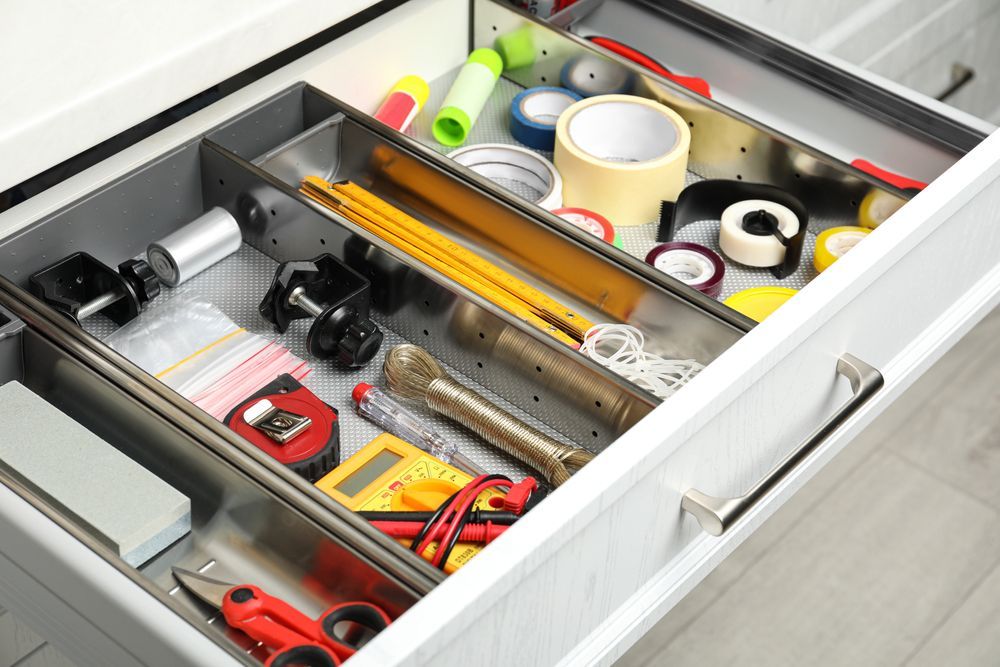
Use barriers to separate items by their categories. Store items like tools and flashlights that are used regularly in easy-to-reach areas. Avoid stacking boxes so that things are hidden from view. Unfinished areas can even be organized with simpler systems to create a more orderly environment.
Take these areas into account when planning your move, and you can avoid the long-term buildup of clutter.
Develop Simple Habits for Maintenance
Having unpacked everything is only the start of the organizing process. It is the maintenance of systems that keeps things running smoothly.
In order to reset systems and keep things on track, schedule time weekly or monthly to readjust primary locations. After systems become organized, it is easy to let things get out of order. These habits will keep the area free of excessive disorder.
When organizing a new home, structure is essential, but so is flexibility.
What New Home Owners Should Avoid
Homeowners often compromise their own efforts at organizing their space, for instance, purchasing a storage solution before identifying their needs, arranging things to look nice rather than to function well, and attempting to do everything at once.
Another common organizing problem is storing items out of guilt, rather than by their usefulness. Shifting this perspective makes the organizing process more effective and less emotionally draining.
When Professional Support Can Help
Moving into a new home comes with many decisions, and organizing everything correctly from the start can feel overwhelming. The Model Home provides
professional home organizingsupport that focuses on function, clarity, and systems that fit your daily life. With experienced guidance, your home is set up thoughtfully, making it easier to settle in, stay organized, and maintain order long after move-in.
Conclusion
A new house not only comes with new walls, but it is also an opportunity to set new systems and routines. Using a detailed home organizing checklist can help you avoid clutter and stress and build a home that works with your daily life.
Organization can be an ongoing process. Your home can live and be maintained better with patience, intention, and the right systems.
If you’re preparing to organize your new home and want professional guidance,
get expert help with The Model Home, where homeowners design systems that make move-ins smooth and transitions confident.
About the author
Eryn Donaldson — Founder & CEO, The Model Home
Eryn is the founder and CEO of The Model Home. She's a former athlete and fitness model, and she built her organizing approach around a real life that travels a lot, runs late, and rarely looks like a magazine spread. Her team has organized homes for Ashley Greene, Teddi Mellencamp, and Kathy Hilton, and her work has shown up in People, Home & Garden, and Women's Health. She specializes in chronically disorganized households and systems that hold up after the team leaves.
Service areas: DMV Area · Los Angeles / Orange County