
Pantry Organization Guide: From Chaos to Functional Storage
You open the pantry door and stuff comes tumbling out. Cans roll, boxes tilt, everything is crammed in tight. Sound familiar? It’s draining, right? You lose energy before you have even started cooking.
Now picture the opposite. Clear shelves, everything in its spot and you grab what you need in seconds. Suddenly dinner feels simple again, not like a battle with your pantry.
Life’s already packed. Work, family, a million little things. Digging around for paprika shouldn’t be the thing that pushes you over the edge. Start small. Use what you already have, such as baskets, jars, or even old bins. You do not need to spend much. And if you ever feel stuck, professional organizers have all kinds of tricks you can borrow.
That’s what this guide is here for. To give you a plan. Sort it out, store it smart and watch the space transform. Cooking feels easier, meals flow better, and honestly? You might even enjoy being in the kitchen again. Just take that first step.
Step by Step Guide to Organizing Your Pantry
Clear Out Every Shelf and Corner
Start with a complete reset. Take everything out. Keep a box for trash and another for donations. Line up jars, cans and containers on the counter. You will probably find surprises like that, such as the hardened bag of flour from last winter. Toss what is no good.
With shelves empty, wipe them clean. Warm soapy water works best, then dry thoroughly. Do not forget the corners, crumbs hide there. If sunlight reaches the space, let it air out. A fresh, empty pantry organization sets the stage for change.
Remove Expired and Unused Items
Check expiration dates carefully. If it is past prime, it goes. Spices lose their punch, too. Rub a little between your fingers. No scent? Time to replace.
Duplicates sneak up on you. Three jars of salsa? Keep one, donate the rest. Call your local food bank (they often accept sealed goods) or share extras with neighbors. Essentials like oats, pasta or tuna deserve space. Rare items you will never use? Let them go.
Position Everyday Essentials Within Easy Reach
Eye level is prime real estate. Keep everyday items like jam, peanut butter and nuts right at eye level so you can grab them fast. Place heavier items, such as canned tomatoes, on the lower shelves. Save the lighter items, such as bread, for door racks.
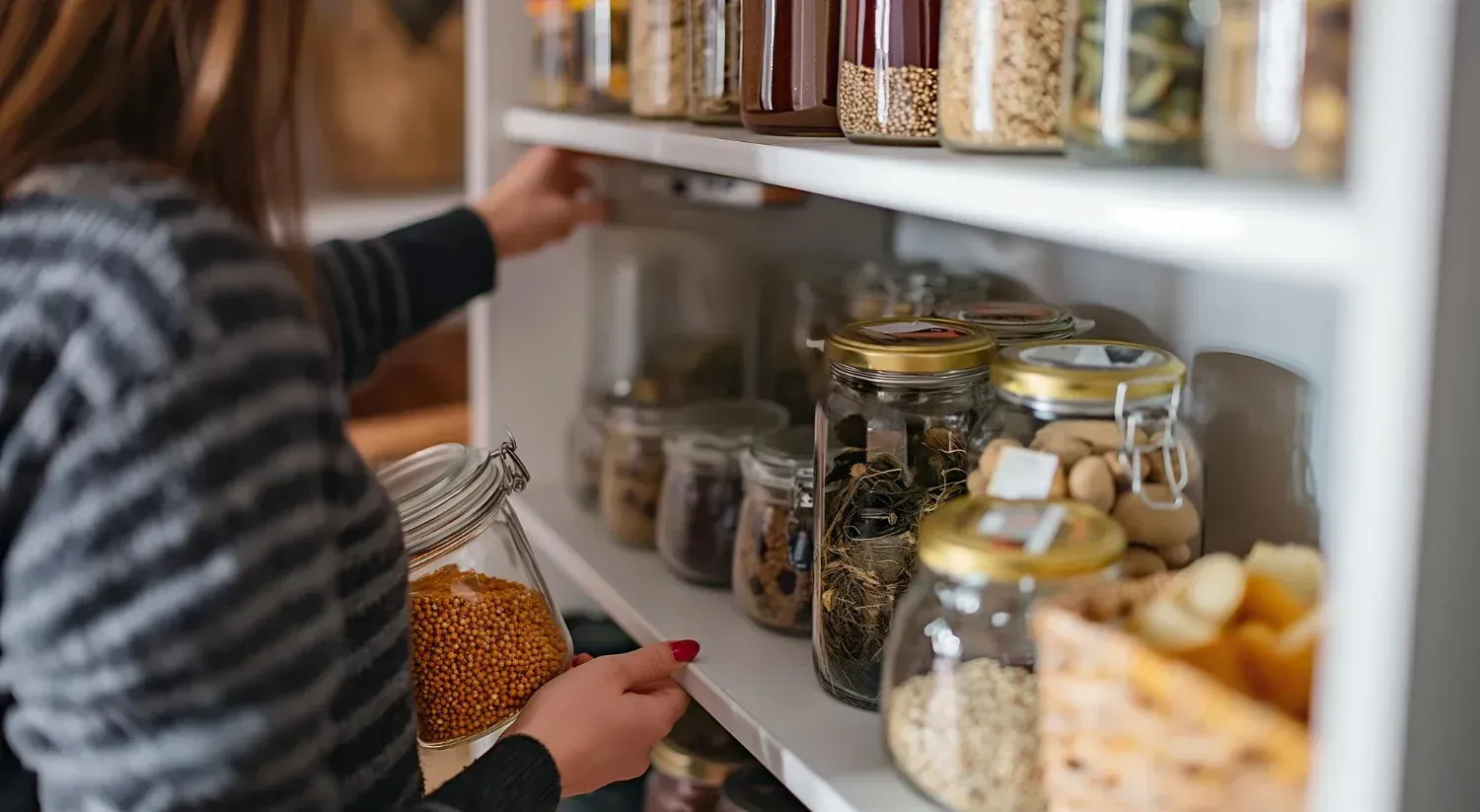
For dry goods such as flour and sugar use clear airtight containers. Add bold labels to identify the contents easily. Stackable bins or jars help maximize space. For sauces or oils a Lazy Susan works wonders, one spin and everything is visible.
Organize and Rotate Canned Goods
Vegetables, fruit and beans can be grouped inside your kitchen cabinet for easy access. Keep heavier ones at the bottom and lighter ones on top. Use a can rack so the oldest cans are positioned forward automatically.
Struggling to read labels? Write the contents on top with a marker. Always load new cans to the back and pull older ones to the front. This simple rotation prevents forgotten items and food waste.
Create Pantry Zones by Meal Type
Think of your pantry in zones. Breakfast foods, such as cereal, are topped with honey. Lunch items, crackers, spreads and quick bites are positioned in the middle with dinner staples such as rice, pasta and sauces at the bottom.
Baskets or bins make grouping items easy and prevent small ones from getting lost. For awkward corners round trays or turntables work well, just spin to find what you need.
Arrange Baking Supplies for Easy Access
Keep baking staples in strong glass or plastic containers with scoops inside. Line them up in the order you use them most such as flour, sugar, yeast and then baking powder.
Stand trays and pans upright in a rack to save space. Use hooks for whisks, spatulas and spoons so they are easy to grab without crowding the shelves.
Store and Maintain Fresh Spices
Spices tend to lose their flavor quickly if exposed to heat or light. Use pull down racks or stepped spice shelves so every jar stays visible.
Do a spice check once a year. Rub a little in your hand. If the smell is weak add more. Fresh spices bring depth and flavor back to your meals.
Set Up a Family Friendly Snack Station
Keep snacks within easy reach of everyone. Lower shelves work great for kids’ bins. Fill them with fruit cups, crackers or granola bars for quick and healthy grabs.
For chips or cookies, split them into resealable bags. This keeps them fresh and stops them from going stale. Label boxes with names if needed. Saves arguments and keeps things tidy.
Manage Bulk Purchases
Bulk buying saves money but quickly clutters shelves. Pour half into a container for daily use then seal the rest tightly for storage. Always label with the date so you use the oldest first.
Keep bulk items grouped by their type, such as grains with grains, pasta with pasta. That way they do not turn into space hogs.
Track Your Progress and Improvements
Notice the difference once you are organized. Meal prep gets faster, fewer groceries go to waste and shopping lists become more manageable. This is one of the simplest wins in home organization.
Take before and after photos. They are motivating and a great reminder of why keeping order pays off.
Smart Pantry Organization Ideas
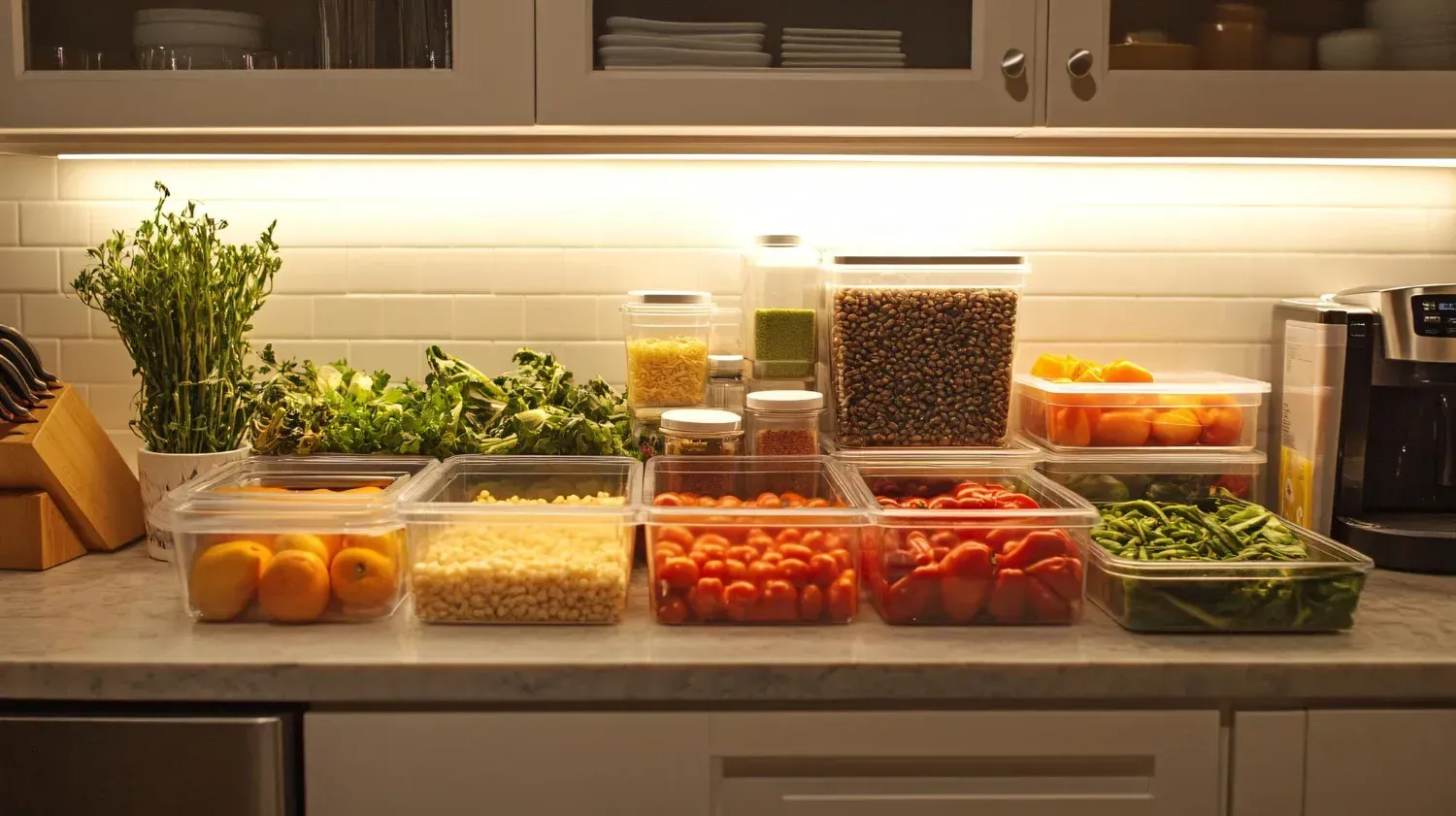
Maximize Small Space
Hooks on walls, over the door racks, and slim rolling drawers create storage where none existed. Even a couple of baskets can clear a whole shelf when used smartly.
Improve Pantry Lighting
Stick on LED strips, motion sensor lights or puck lights make a huge difference. Good lighting means no more squinting at labels and less wasted food because you actually see what you have.
Rotate Items Seasonally
Move items around as the year changes. Holiday treats in bins during December, BBQ spices front and center in summer, soups and stews ready for winter. This keeps your pantry in sync with how you really cook.
Involve the Whole Family
Give kids ownership. Younger ones can sort snacks into bins while older kids can manage their own shelf. Doing weekly pantry scans together helps build habits and makes everyone feel responsible.
Choose Durable Storage Tools
Sturdy wire trays, quality bins, and a foldable step stool make pantry upkeep easier. Tools that last save time, effort and replacement costs.
FAQ
How often should I reset my pantry?
Every three months is a good rhythm. You can also do a reset after a big grocery haul to keep things fresh.
What containers work best for dry goods?
Glass jars are airtight and durable. Clear plastic bins are great too as they stack easily and allow you to see what is inside.
Can I set up my pantry on a budget?
Absolutely. Repurpose the jars you already have, cut cardboard to make dividers or pick up low cost bins at discount stores.
How do I keep treats visible?
Use clear bins at eye level. When snacks are easy to see you are more likely to eat them before they go stale.
What is the fastest way to get organized?
Do a full clear out. Pull everything out, group similar items, and give each thing a proper home. It is the quickest reset you can do.
Conclusion
A clean pantry changes everything. Cooking feels easier. Shopping takes less time. You stop wasting food you forgot about.
You do not need to fix everything at once. Just start small. Clear one shelf. Sort one basket. Make one change. Those little wins add up fast.
And if it ever feels like too much to tackle, consider taking guidance from a professional organizer who can help you create systems that fit your kitchen.
About the author
Eryn Donaldson — Founder & CEO, The Model Home
Eryn is the founder and CEO of The Model Home. She's a former athlete and fitness model, and she built her organizing approach around a real life that travels a lot, runs late, and rarely looks like a magazine spread. Her team has organized homes for Ashley Greene, Teddi Mellencamp, and Kathy Hilton, and her work has shown up in People, Home & Garden, and Women's Health. She specializes in chronically disorganized households and systems that hold up after the team leaves.
Service areas: DMV Area · Los Angeles / Orange County